





The store will not work correctly when cookies are disabled.
We use cookies to make your experience better.To comply with the new e-Privacy directive, we need to ask for your consent to set the cookies. Learn more.
In the realm of sports and fitness, compression calf sleeves have gained recognition for enhancing performance and expediting recovery. However, these innovative accessories have a broader scope of application, notably in the healthcare sector. Beyond the realms of athletics, compression calf sleeves can aid in managing certain medical conditions, bringing relief and improving the quality of life. This article explores the effectiveness of compression calf sleeves in treating these conditions.
Understanding the science behind popular sports equipment can often be an enlightening experience. One such piece of gear that has piqued the curiosity of many is the compression calf sleeve. Often spotted on the legs of athletes, runners, and gym-goers, these sleeves seem to promise enhanced performance and accelerated recovery. But how exactly do they work? This article aims to shed light on the science behind these mysterious calf sleeves and the myriad benefits they offer.
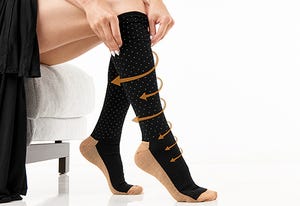
Compression stockings and anti-embolism (TED Hose) both promote healthy blood circulation in the legs but serve different purposes. Compression stockings are designed for active individuals with circulation issues, while anti-embolism stockings cater to post-surgical patients and those with limited mobility to prevent blood clot formation. Understanding their key differences ensures optimal leg health based on specific needs and circumstances.
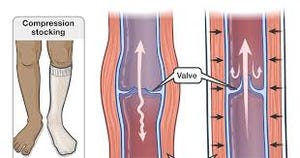
This article post covers the role of compression socks in managing varicose vein symptoms, how they work, the benefits of using them, and tips for selecting the best pair. Compression socks improve blood flow, support vein valves, and reduce swelling, offering relief from discomfort and promoting a better quality of life.
Anti-embolism stockings are specialized compression garments designed to improve blood circulation and reduce the risk of deep vein thrombosis (DVT). They should be applied in situations with an increased risk of blood clot formation, such as post-surgical recovery, limited mobility, long-distance travel, pregnancy, or specific medical conditions. Consult with a healthcare provider to determine the appropriate usage and duration for optimal leg health.
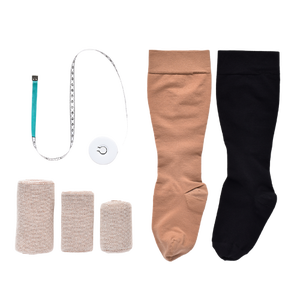
This article covers the essentials of anti-embolism stockings, including the science behind their effectiveness, the types available, and how to choose the right size and compression level. The guide also discusses proper usage and care for optimal results in preventing blood clots and promoting healthy circulation.
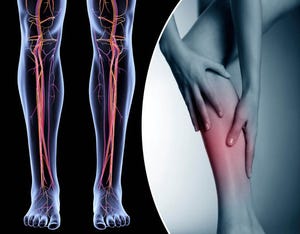
One out of 10 people is affected by the conditions--80% are women. The cause of varicose and spider veins is unclear. Heredity and pregnancy, however, are contributing factors, as are obesity and lack of exercise.