










The Power of Compression Gloves: Relief for Arthritis and Carpal Tunnel
In the quest for maintaining hand health and managing conditions such as arthritis and carpal tunnel syndrome, a potentially powerful ally is often overlooked: compression gloves. These gloves have the potential to be effective tools in managing and relieving symptoms associated with these chronic conditions. They offer a non-invasive, cost-effective, and practical solution to those who experience discomfort or pain. Today, many health professionals recommend the use of compression gloves as a part of comprehensive treatment plans for conditions affecting the hands and fingers.
Understanding Compression Gloves
At first glance, compression gloves may look like regular gloves. However, they serve a specific purpose beyond keeping your hands warm. Compression gloves are specially designed therapeutic gloves that exert a gentle pressure on your hands and fingers. They are typically made from breathable, elastic materials such as nylon, spandex, or a combination of both, which ensures that they maintain their shape and compression level even after prolonged use.
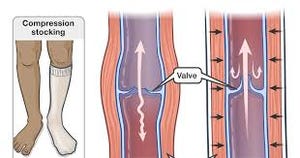
The mechanism behind these gloves lies in their therapeutic compression. This constant pressure helps increase blood flow, reduce swelling, and alleviate pain. For those suffering from conditions like arthritis or carpal tunnel syndrome, these gloves provide much-needed relief. They are often used alongside other treatments such as medication, physical therapy, and lifestyle modifications to offer a holistic approach to managing these conditions.
Effectiveness of Compression Gloves
The benefits of compression gloves stem from the concept of compression therapy, a time-tested form of treatment that has been used in various forms of medicine for centuries. By applying pressure to specific areas of the body, it is possible to increase blood flow and reduce inflammation, which are key elements in managing conditions like arthritis and carpal tunnel syndrome.
Studies have consistently shown the effectiveness of compression gloves in managing symptoms of these conditions. The sustained pressure from these gloves can alleviate inflammation, one of the leading causes of pain in these conditions. By reducing inflammation, compression gloves can alleviate the stiffness, swelling, and pain that often accompany arthritis and carpal tunnel syndrome.
Moreover, the increased blood flow can enhance the delivery of nutrients and oxygen to the affected areas, promoting faster recovery and better overall hand health. While not a cure-all, compression gloves can significantly aid in reducing discomfort and improving the quality of life for those dealing with these conditions.
Compression Gloves: A Solution for Arthritis
Arthritis, a condition characterized by painful inflammation and stiffness of the joints, can profoundly impact the hands and fingers. Everyday tasks can become difficult and painful for those dealing with this condition. Here is where compression gloves come into play.
The continuous pressure provided by compression gloves can reduce arthritis-associated inflammation, increase blood circulation, and decrease the pain associated with arthritis. By enhancing circulation and oxygenation of tissues, these gloves can help alleviate arthritis symptoms, making daily tasks more manageable for those suffering from this condition.
Moreover, compression gloves provide warmth, which can help relieve stiffness and improve flexibility in the fingers. This feature is particularly useful in colder weather when arthritis symptoms often become more pronounced.
Compression Gloves: A Remedy for Carpal Tunnel
Carpal tunnel syndrome is another condition where compression gloves can play a pivotal role. This syndrome is a common issue in today's digital age, where repetitive hand motions—like typing or scrolling through a smartphone—are the norm. Carpal tunnel syndrome arises when pressure on the median nerve running through the wrist causes numbness, tingling, and pain.
By applying gentle, consistent pressure on the hand and wrist, compression gloves can help reduce this nerve pressure. They can help maintain the correct alignment of the wrist and hand, reducing the likelihood of nerve compression. Also, by enhancing blood flow, these gloves can help alleviate the numbness and tingling often associated with carpal tunnel syndrome.
How Long Should Compression Gloves Be Worn?
The duration for wearing compression gloves can vary based on individual needs and specific conditions. However, most healthcare professionals recommend wearing them for about 8 hours a day, typically during waking hours. Wearing them during the day can help because that's when most people are more likely to use their hands, which can exacerbate symptoms of arthritis and carpal tunnel syndrome.
While there's no harm in wearing compression gloves overnight, it may not be necessary unless specified by a healthcare provider. In some cases, individuals may find it uncomfortable to keep them on while sleeping.
Remember, while these gloves can provide symptomatic relief, they should not replace medical treatments for underlying conditions. Always consult with a healthcare professional when starting any new therapeutic regimen.
In the world of hand health and chronic pain management, compression gloves are gaining recognition for their effectiveness. By providing a gentle, consistent pressure, they can improve blood flow, reduce inflammation, and provide relief from conditions like arthritis and carpal tunnel syndrome.
The importance of consulting with a healthcare professional cannot be overstated. While compression gloves can be a beneficial tool, they are not meant to replace other treatments but to complement them. With the proper guidance and use, these gloves can be an effective part of your pain management strategy, offering a level of relief that allows you to regain control of your daily life.


