We use cookies to make your experience better. To comply with the new e-Privacy directive, we need to ask for your consent to set the cookies. Learn more.
Free Standard Shipping over $25
We Accept FSA Payments
We are Open and Handling Orders Safely
Free Expedited Shipping over $75
Free Shipping over $25
The LEADERS In COMPRESSION SOCKS
Open Late and Weekends
| fdgdgf | fgdfgdg | dfgdgdg | dgdgdgdfg | dgdgdfgdfgdg |




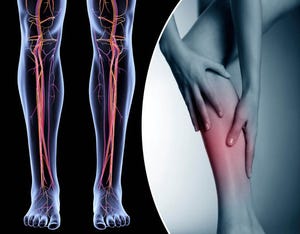
For many people, varicose veins are simply a cosmetic concern. For others, varicose veins can cause aching pain and discomfort. And the condition could signal a higher risk of circulatory problems.
Varicose veins affect up to 60 percent of all Americans, women more than men; older women more than younger. Treatment may involve self-help measures, or procedures by your doctor to close or remove these veins.
The American Institute of Preventive Medicine offers these suggestions to help prevent them from forming: